
Shadows and Sacrifice: A Deep Dive into the Diablo IV Warlock Reveal
Published on: 3/5/2026
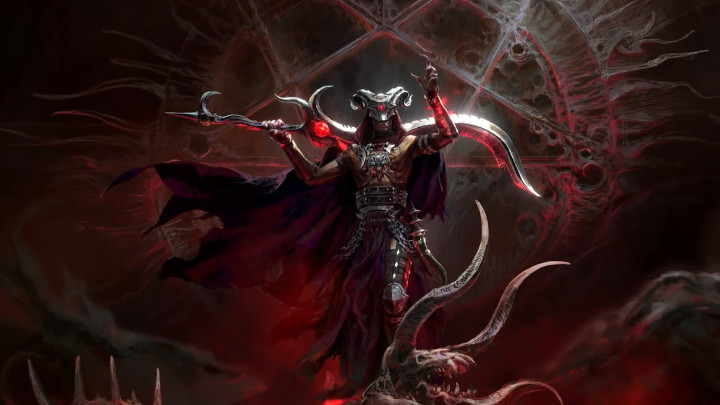
The latest class reveal for Diablo IV has sent a chill through the community, officially introducing the Warlock. While the franchise has long toyed with dark magic via the Necromancer, the Warlock represents a more transactional and volatile relationship with the Burning Hells. This isn't just a summoner; it’s a master of forbidden pacts who trades their own life force for devastating chaotic power, creating powerful pacts with Demons and the forces of Hell.
Lore: The Transaction of Power
The Warlock is framed as a practitioner of the "Forbidden Arts." Unlike the Sorcerer, who harmonizes with natural elements, or the Necromancer, who commands the cycle of life and death, the Warlock pulls energy directly from the demonic realm. Their power is transactional— fueled by the literal essence of fallen foes and, at times, their own blood. They stand in the fray of the battlefield, growing stronger and stronger as the chaos of the fight around them intensifies. This dark caster defines itself as a dark battle-mage; able to take a hit and keep on fighting like a Barbarian, but with the strategic game-play of a caster.
The Core Mechanic: Dual-Resource Management
The Warlock’s gameplay revolves around a high-risk, high-reward resource system that requires constant tactical awareness:
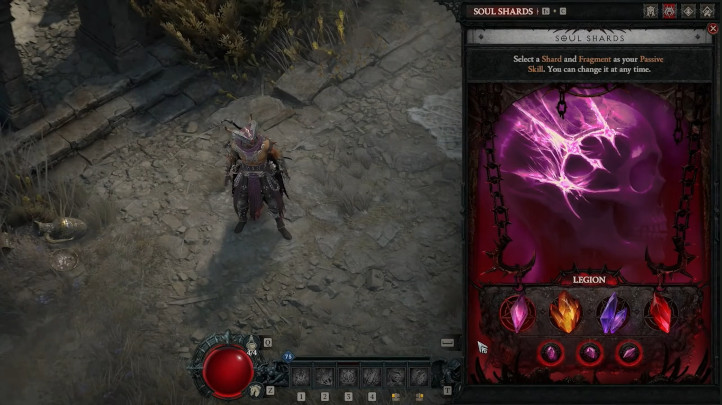
Soul Shards: These are generated through basic "Soul Rend" attacks or by harvesting the souls of dying enemies. They orbit the player visually and are consumed to cast high-tier "Chaos" spells.
Blood Tithe: This is the Warlock’s "glass cannon" toggle. Certain elite incantations require the player to sacrifice a portion of their own Life to cast. This forces a playstyle where you are constantly teetering on the edge of death to output maximum DPS.
Three Paths of Devastation
The reveal highlighted three distinct specializations within the Warlock’s skill tree, allowing for so very distinct playstyles:
The Affliction Path
Damage over Time (DoT)
Agony, Siphon Life, Contagion
The Demonology Path
Tactical Summons
Void Terror, Imp Swarm, Demonic Gateway
The Destruction Path
Burst & AoE Damage
Chaos Bolt, Hellfire Rain, Shadow Lash
The Afflication Specialist
This build focuses on "dotting" the entire screen. The standout mechanic is the Contagion Curse—when an infected enemy dies, the curse leaps to nearby monsters, triggering a chain reaction of shadow explosions that can clear entire rooms in seconds.
The Tactical Summoner
Unlike the Necromancer’s permanent skeleton army, the Warlock uses Short-Duration Horrors. These are "fire and forget" minions, like the Void Terror, which acts as a temporary meat shield to taunt enemies, or Imp Swarms that essentially act as homing missiles, charging in and exploding on impact.
The Destruction Path
Bombard areas with Chaos energy and build huge killzones for enemies to be slaughtered inside with large AoE skills like Hellfire Rain. This build style requires planning and strategic placement to wipe out ways of enemies from a distant, fuelling your casts with the demonic energy surrounding you.
Utility and Battlefield Control
The Warlock isn't just a stationary turret; they possess unique mobility and crowd control (CC) tools:
Demonic Gateway: Players can place two connected portals on the field, allowing for instant repositioning to dodge boss mechanics or escape a kite gone wrong.
Mortal Coil: A signature CC move that sends a bolt of terror through enemy ranks, causing monsters to flee and breaking up dangerous elite formations.
The Ultimate: Avatar of Malice
The pinnacle of the Warlock’s power is the Avatar of Malice transformation. For a brief duration, the player sheds their human form to become a demonic entity. This state grants massive damage reduction and replaces the standard hotbar with empowered abilities:
Shadow Slam: A heavy melee strike with a massive shockwave.
Abyssal Gaze: A channeled beam that petrifies enemies in their tracks.
Hellish Aura: A passive aura that melts nearby enemies with shadow flame.
Aesthetic and Gear
True to Diablo IV’s "Return to Darkness" theme, the Warlock’s gear is draped in occult symbolism, heavy chains, and vials of glowing demonic ichor. Key items include Ritual Daggers for fast casting and Cursed Idols, a new off-hand item category specifically designed to increase the potency and duration of the Warlock’s crippling curses.
While the Diablo series has always flirted with the dark arts, the Warlock represents a fundamental shift in how players interact with the forces of the Burning Hells. For the first time, we aren't just fighting monsters or commanding the dead; we are entering into a volatile, transactional pact with the abyss itself. By moving away from the "commander" archetype of the Necromancer and the "elementalist" archetype of the Sorcerer, the Warlock carves out a unique niche as a high-stakes occultist.
This class introduces a visceral level of risk-reward gameplay—trading health for power and souls for destruction—that feels like a fresh, sophisticated evolution of the franchise’s "Return to Darkness" philosophy. It is a brand-new way to experience Sanctuary, proving that even after decades, Diablo still has new, terrifying ways to make us play with fire.
We can’t wait to get our hands on this class and experience all the crazy new builds. Speaking of which – we wanted to include one of our favorite Diablo 4 creators Cliptis. Below is a video about his impression of the Warlock class after getting some time with it at Blizzard Headquarters in Los Angeles.
 Check out the video here.